The Benefits of Using a Diagnostic Repair Service for Your Vehicle
The merits of employing a vehicle diagnostic service for a car are significant and multifaceted. These offerings boost overall performance and vehicle safety while preventing minor issues from becoming major problems. By identifying potential concerns early, they help maintain the automobile's dependability and efficiency. Yet, many motorists neglect the significance of consistent diagnostic evaluations. Recognizing what such services deliver can contribute to wiser decisions about car upkeep and long-term performance. What aspects should drivers examine when selecting a diagnostic repair service?
Understanding the Importance of Diagnostic Repair Services
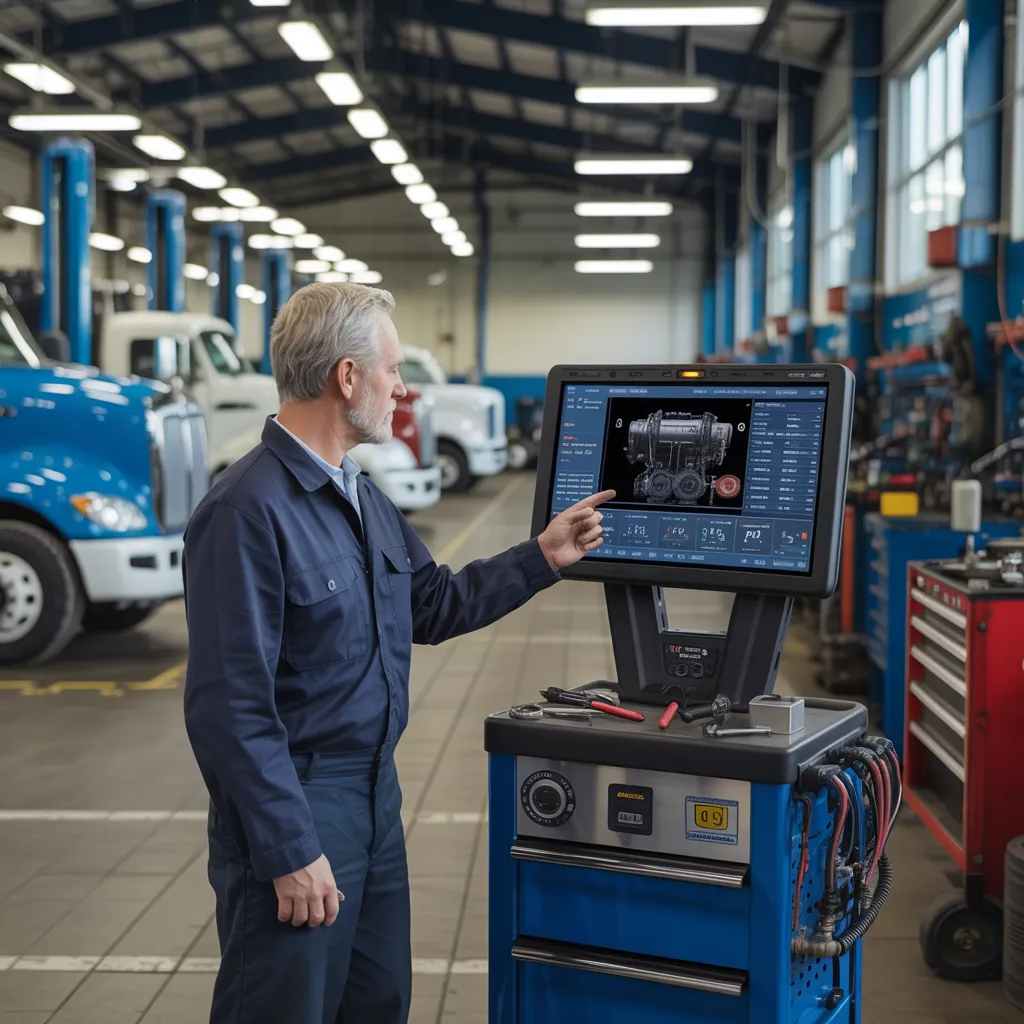
Diagnostic repair services are fundamental in preserving vehicle performance and safety. These services employ advanced technology and purpose-built equipment to examine a vehicle's systems, detecting potential problems before they develop into major concerns. By performing detailed diagnostic assessments, technicians can pinpoint malfunctions in critical components such as the engine, transmission, and electrical systems.
This proactive approach not only enhances the longevity of the vehicle but also guarantees peak fuel efficiency and reliability. Moreover, diagnostic services aid in meeting safety requirements, decreasing the chances of accidents stemming from mechanical issues. Routine diagnostics support well-informed choices concerning repairs and upkeep, potentially sparing owners considerable expenses over time. In the end, the value of diagnostic repair services rests in their capacity to deliver peace of mind, guaranteeing that vehicles run efficiently and safely on the road.
Common Automotive Problems Effectively Diagnosed
Numerous car owners encounter various typical problems which can be properly assessed through dedicated diagnostic services. These concerns frequently encompass transmission difficulties, electrical system malfunctions, and engine problems. As an example, engines can display irregular noises or a notable drop in performance, creating the need for a detailed diagnostic evaluation. Transmission difficulties may present themselves as erratic gear changes or jarring transitions, which specialized diagnostic evaluations can detect.
Moreover, warning lights on the dashboard can signal numerous issues, from slight to serious, indicating the requirement for prompt attention. Braking issues, such as squeaking or decreased braking performance, also demand accurate diagnosis to ensure safety. By utilizing diagnostic repair services, car owners can pinpoint these issues early, avoiding additional damage and expensive repairs. Essentially, identifying and resolving these typical car problems through specialized diagnosis fosters both vehicle longevity and driver safety.
How Diagnostic Tools Pinpoint Vehicle Issues Effectively
Diagnostic tools utilize advanced technology to pinpoint vehicle issues with exceptional precision. By utilizing real-time data processing, these tools can evaluate multiple systems throughout the vehicle, offering real-time feedback on functionality and possible important resource issues. This accuracy improves the efficiency of repair services, ultimately resulting in superior vehicle upkeep.
Sophisticated Technology Integration
With vehicles growing more complex, the adoption of cutting-edge diagnostic tools has changed the way faults are recognized and corrected. Modern diagnostic systems utilize sophisticated software and hardware to analyze a vehicle's electronic components, enabling technicians to pinpoint problems with remarkable accuracy. These devices are capable of reading error codes, tracking sensor data, and conducting system checks in real time. By transforming detailed vehicle data into easily understood information, they help eliminate guesswork and reduce repair times. Additionally, the use of advanced technology guarantees that technicians stay updated on the latest vehicle models and their specific requirements. Such precision not only increases the efficiency of repair work but also strengthens overall vehicle safety and performance, making diagnostic repair services indispensable.
Live Data Analysis
Leveraging real-time data analysis, contemporary diagnostic equipment efficiently identify automotive problems with exactness. Such systems gather and analyze readings from numerous sensors throughout the vehicle, enabling mechanics to pinpoint malfunctions quickly. By accessing critical parameters such as engine output, fuel consumption, and exhaust levels, technicians can gain insights into underlying problems that could be missed during a routine examination. This preventative strategy facilitates early responses, reducing the risk of more extensive damage and costly repairs. Furthermore, real-time data can facilitate better communication between the technician and the car owner, providing clarity about the problems and suggested remedies. Altogether, the use of real-time data analysis greatly enhances the precision and effectiveness of car diagnostic procedures.
Why Do Experienced Technicians Matter in Diagnostics?
Seasoned technicians play a vital role in vehicle diagnostics due to their extensive technical expertise. Their skills provide for effective issue identification, limiting downtime for car owners. Additionally, qualified technicians increase repair accuracy, guaranteeing that problems are fixed properly the first time.
Advanced Technical Knowledge
Technical knowledge serves a fundamental purpose in the success of automotive diagnostics. Skilled technicians have a comprehensive knowledge of automotive systems, allowing them to accurately interpret complex data gathered from diagnostic tools. Their extensive training allows them to recognize patterns and anomalies that less experienced individuals might overlook. This superior understanding ensures that technicians are able to distinguish between minor concerns and major problems, leading to more accurate diagnoses. Moreover, veteran professionals are generally knowledgeable about the newest technological innovations, which play a vital role in modern-day vehicles. Their capacity to remain current with industry developments strengthens their diagnostic capabilities, rendering them indispensable in detecting root problems quickly and efficiently. Consequently, their proficiency leads to higher quality and more efficient automotive repairs.
Efficient Problem Identification
Precise problem detection is critical in vehicle diagnostics, and the proficiency of experienced technicians greatly strengthens this process. Skilled technicians possess a thorough knowledge of various vehicle systems, allowing them to rapidly identify issues that may elude less experienced mechanics. Their expertise with vehicle diagnostic instruments enables them to interpret data effectively, leading to quicker and more dependable conclusions. Additionally, seasoned technicians can draw on previous experiences to recognize patterns in vehicle behavior, facilitating swift identification of persistent faults. This efficiency not only reduces time but also minimizes the risk of misdiagnosis, ensuring that the accurate faults are resolved quickly. As a result, utilizing experienced technicians for vehicle diagnostics translates into enhanced overall vehicle performance and durability.
Advanced Repair Accuracy
Achieving enhanced repair accuracy copyrights on the proficiency of technicians who have a vast understanding in vehicle diagnostics. Seasoned mechanics are well-versed in the intricacies of various vehicle systems, allowing them to identify problems accurately. Their comprehensive education and practical expertise enable them to employ sophisticated diagnostic equipment efficiently, guaranteeing that issues are accurately detected on the first attempt. This reduces the likelihood of incorrect diagnoses and avoidable repairs, consistently reducing costs and effort for vehicle owners. Moreover, their knowledge of factory guidelines confirms that maintenance is carried out with maximum precision. Ultimately, the expertise of seasoned technicians is vital to achieving accurate diagnostics, leading to greater vehicle dependability and extended lifespan.
Cost-Reduction Benefits of Timely Diagnostic Repair Services
Early vehicle diagnostic services offer vehicle owners significant cost-saving advantages. Addressing issues promptly can prevent minor problems from escalating into major repairs, which often lead to increased costs for labor and replacement parts. By detecting and correcting problems at an early stage, vehicle owners can prolong the life of their vehicles, minimizing the need for expensive repairs and part replacements.
In addition, timely diagnostics contribute to optimizing vehicle performance, resulting in better fuel efficiency. Properly maintained vehicles are far less prone to unexpected breakdowns, saving owners from roadside assistance fees and potential towing charges. Additionally, consistent diagnostic inspections can reveal hidden issues that may go unnoticed, enabling proactive action to be taken before these issues escalate.
At the end of the day, prioritizing timely vehicle diagnostics not only safeguards the overall health of a vehicle but also enhances long-term financial savings, making it a smart investment for responsible vehicle owners.
Identifying Signs That Signal the Need for Diagnostic Services
Vehicle owners ought to be watchful in identifying signs that indicate the need for vehicle diagnostics. Strange sounds, such as knocking or grinding noises, can signal potential mechanical issues that demand prompt attention. Additionally, warning lights on the dashboard, most notably the check engine light, ought never to be overlooked, as they commonly suggest hidden issues.
Shifts in vehicle behavior, including decreased acceleration or difficulty starting, might also signal the importance of a thorough diagnostic evaluation. Fluctuating fuel efficiency can indicate underlying engine or fuel system concerns that may require prompt professional assessment.
Finally, persistent vibrations or steering issues can indicate suspension or alignment issues. By paying close attention to these indicators, vehicle owners can take initiative in seeking diagnostic assessments, keeping their vehicles safe and dependable while potentially reducing the cost of major repairs over time.
Commonly Asked Questions
How Frequently Should I Have My Vehicle Diagnosed?
A vehicle should usually be inspected on a yearly basis or whenever dashboard warning lights illuminate. Routine diagnostic checks help uncover underlying issues in advance, ensuring optimal performance and avoiding expensive repairs, ultimately extending the vehicle's lifespan and enhancing safety.
Am I Able to Carry Out Diagnostics by Myself at Home?
Absolutely, it is possible to conduct diagnostic tests at home using affordable OBD-II diagnostic scanners. That said, while basic issues are often identified, advanced issues frequently require the expertise of a professional to ensure a precise diagnosis and reliable repair options.
Which Types of Vehicles Gain the Most From Diagnostic Services?
Luxury vehicles, hybrids, and those with advanced technology systems are the primary candidates for specialized diagnostic services. These vehicles' sophisticated electronic components necessitate purpose-built tools and professional expertise, providing reliable fault identification and streamlined repair processes to maintain peak performance and safety.
Is Warranty Coverage Available for Diagnostic Repairs?
Diagnostic repair services could be included under warranty coverage, depending on the specific terms and conditions of the warranty. Car owners are encouraged to examine their warranty documents or speak with their provider to determine coverage details for such services.
How Much Time Does a Standard Diagnostic Service Require?
A standard diagnostic service generally takes between 1 to 2 hours, according to the vehicle's complexity and the specific issues being investigated. Elements such as technician experience and available tools play a role in determining the overall time required.
Elevate